







LANSA, a leading provider of application development, modernization, and integration software, has announced its participation in the IBM SOA Specialty program after successfully completing IBMÆs rigorous SOA technical and business requirements testing. With this achievement, LANSA Integrator supports the IBM SOA Foundation, a single, integrated platform that combines the industryÆs top application server and integration capabilities.
"SOA is an increasingly important business requirement for organizations because of the business flexibility it enables," said Sandy Carter, vice president, SOA and WebSphere, IBM Software Group. "LANSAÆs commitment to SOA provides their customers with a powerful way to align their IT infrastructures with real business issues."
LANSA Integrator provides a framework that allows easy integration between Java programs and business applications using LANSAÆs Java Service Manager and a range of shipped Java services. Included among the shipped services are the SOAP Agent and SOAP Server services used to implement Web services. SOAP is an XML-based protocol for exchanging information over HTTP. Using these services, organizations can enter the world of Web services with relative ease.
LANSA Integrator offers a wizard-based approach to Web service development and hides the complexities of the protocols to present a simplified interface to developers. LANSA Integrator facilitates the mapping of XML data and automatically generates the supporting Java and XML objects.
"LANSA is pleased to have been accepted by IBM into this exclusive program for promoting SOA standards and usage," said John Siniscal, president of LANSA Americas. "Every IBM customer needs to be looking at how SOA solutions can improve their business agility by extending their legacy systems to new users and access paths. SOA technology will impact companies the same way the Internet did a decade earlier."About LANSA
LANSA is a leading provider of application development, modernization and integration software. LANSA's powerful suite of cross-platform development tools lets organizations overcome the complexity inherent in creating and maintaining business applications. LANSAÆs integrated tool set is also the technology foundation for a wide range of business solutions from LANSA and over 300 Business Partners. Established in 1987, LANSA supports thousands of companies around the world with its products and services. For more information, please visit:LANSA
 Business users want new applications now. Market and regulatory pressures require faster application updates and delivery into production. Your IBM i developers may be approaching retirement, and you see no sure way to fill their positions with experienced developers. In addition, you may be caught between maintaining your existing applications and the uncertainty of moving to something new.
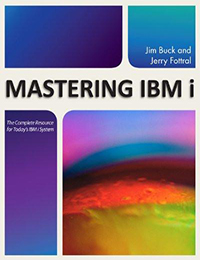
 IT managers hoping to find new IBM i talent are discovering that the pool of experienced RPG programmers and operators or administrators with intimate knowledge of the operating system and the applications that run on it is small. This begs the question: How will you manage the platform that supports such a big part of your business? This guide offers strategies and software suggestions to help you plan IT staffing and resources and smooth the transition after your AS/400 talent retires. Read on to learn:
LATEST COMMENTS
MC Press Online