








You can download data from your System i DB2/400 database to a PC using tools such as FTP, Client Access, JDBC, and ODBC. The problem is that your PC may not be able to handle the number of records that can result. It would be nice to have a tool that could summarize the data and let you see the detail behind the summaries.
SEQUEL Provides the Answers
SEQUEL is that tool. SEQUEL offers two easy-to-use options—Sequel Host Tabling and Sequel Client Tabling—that you can use to summarize your transaction data into spreadsheet-like tables.
Figure 1 shows how downloaded transaction data might look as a list in a standard SEQUEL view. Without SEQUEL tabling, this type of request could mean millions of records—too much data to send to a Windows desktop.
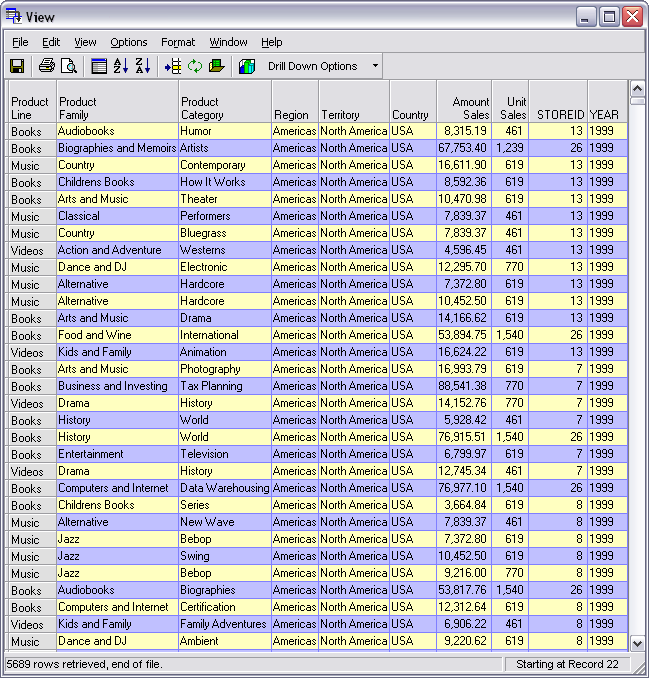
Figure 1: This is a SEQUEL data view before tabling. (Click images to enlarge.)
View Spreadsheet-Like Summaries
You can use SEQUEL Host Tabling to automatically summarize DB2 transaction data into spreadsheet-like files with summary rows, columns, totals, rankings, percent of total, and other calculations (see Figure 2). The SEQUEL Host Tabling views organize data into columns for regions, time periods, or other categories. And you can output this summarized data to multiple formats, including XLS, XML, or CSV.
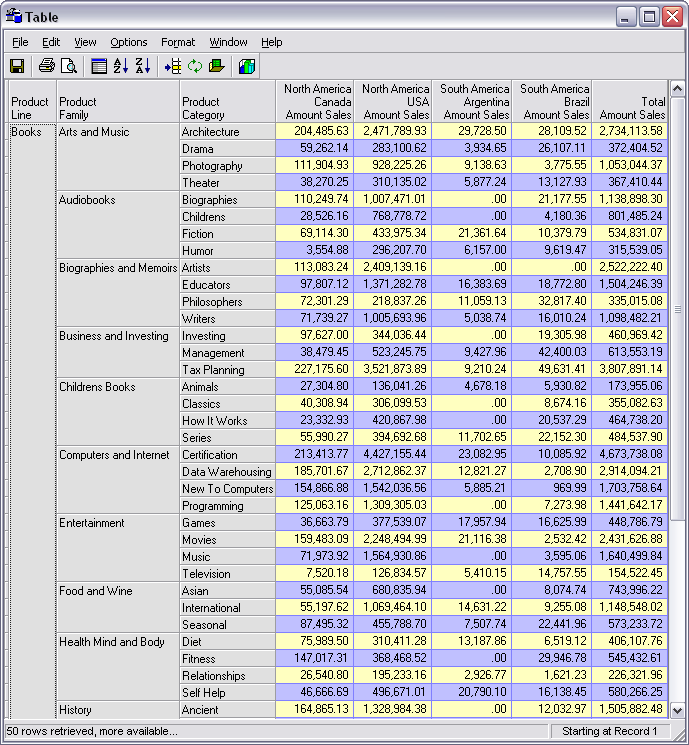
Figure 2: Here's the SEQUEL view data organized using Host Tabling.
Take Your Data on the Road
SEQUEL Client Tabling is an interactive solution for dynamic data mining and analysis. It offers drill-down, reporting, analysis, ranking, and graphing functions help you take your data on the road. First, you can consolidate data from your database into a portable, standalone module. Then, you can use the Client Tabling drag-and-drop features to reorganize the data and view the results instantly without affecting the data in the database.
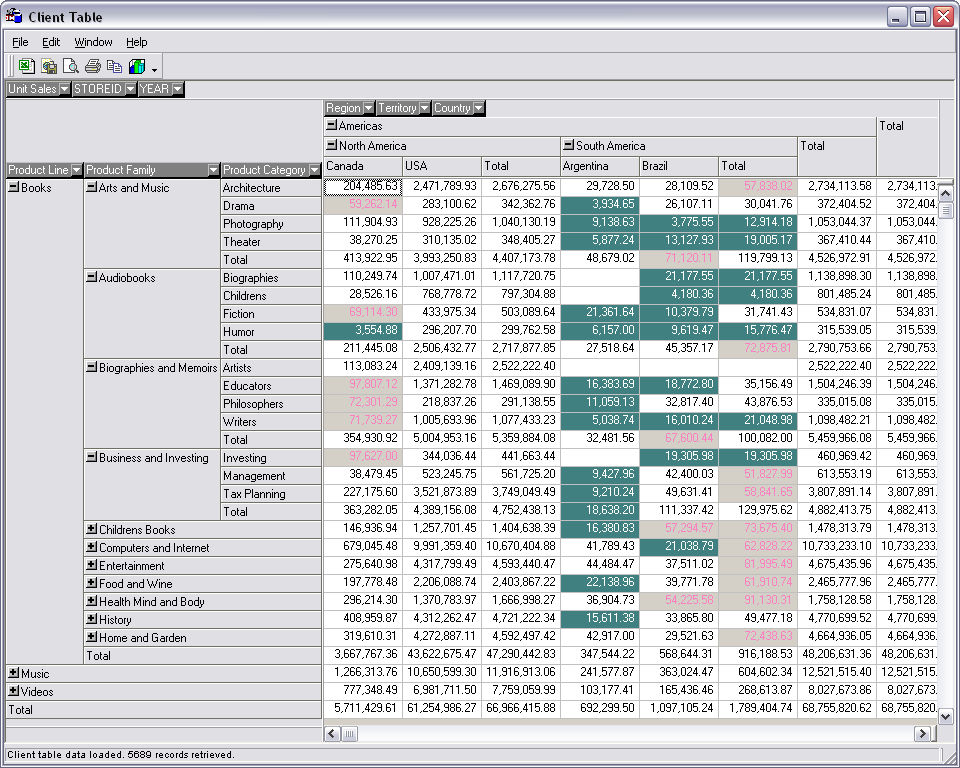
Figure 3: And here's your SEQUEL view organized using Client Tabling.
See how SEQUEL can stop the data overload on your desktop while making your data easier to use and more portable. Call us at 800.328.1000 to ask for a demo or to try a FREE 30-day trial. Or view an archived presentation on this topic. Check out Help/Systems' other offerings in the MC Showcase Buyer's Guide.

 Business users want new applications now. Market and regulatory pressures require faster application updates and delivery into production. Your IBM i developers may be approaching retirement, and you see no sure way to fill their positions with experienced developers. In addition, you may be caught between maintaining your existing applications and the uncertainty of moving to something new.
 IT managers hoping to find new IBM i talent are discovering that the pool of experienced RPG programmers and operators or administrators with intimate knowledge of the operating system and the applications that run on it is small. This begs the question: How will you manage the platform that supports such a big part of your business? This guide offers strategies and software suggestions to help you plan IT staffing and resources and smooth the transition after your AS/400 talent retires. Read on to learn:
LATEST COMMENTS
MC Press Online