








Too many systems continue to possess vulnerabilities to precious data, study shows.
PowerTech, a security solutions provider for IBM Power Systems servers running IBM i, has announced the release of the 2012 State of IBM i Security Study. PowerTech publishes the annual study to help users understand the common security exposures found on IBM i servers.
Each year, PowerTech performs hundreds of compliance assessment audits on IBM i servers of varying sizes and across multiple industries, including financial, retail, and manufacturing. This ninth annual study summarizes data from security audits performed January to December 2011.
The 2012 study shows many of the same vulnerabilities seen in previous years, including:
- 74.6 percent of IBM i servers have 20 or more active *ALLOBJ profiles
- 81 percent of systems unknowingly make *CHANGE the default create authority for library objects
- 66 percent of systems don’t monitor network access to their critical data
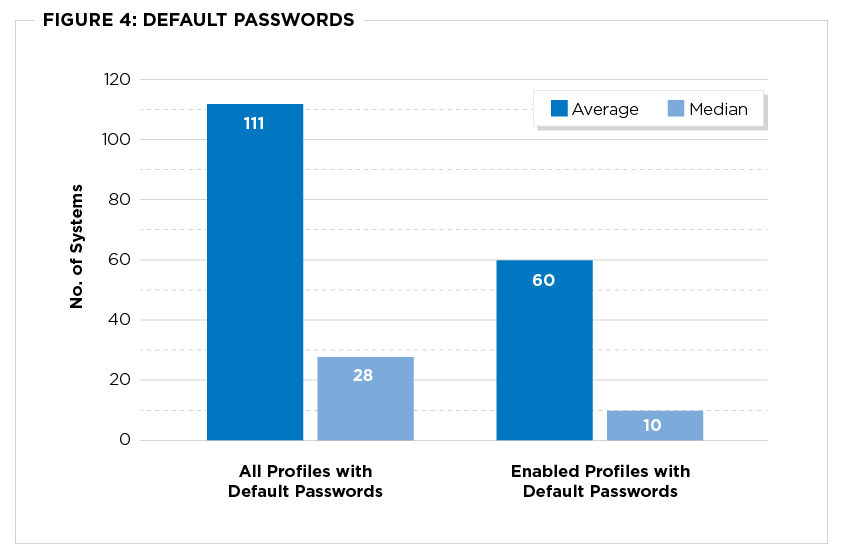
- 11 percent of user profiles have a password that matches the user’s name; 54 percent of these are enabled
Robin Tatam, PowerTech director of Security Technologies, says, “Each year we publish this study I expect to see the trends improve. In 2012, we continue to see systems that are vulnerable due to too many powerful users, too few controls for *PUBLIC access to libraries, little or no visibility to network traffic, and not enough auditing.”
The 2012 State of IBM i Security study is available as a free download from http://www.powertech.com. PowerTech also is offering a webinar on the State of IBM i Security on Wednesday, May 30.

 Business users want new applications now. Market and regulatory pressures require faster application updates and delivery into production. Your IBM i developers may be approaching retirement, and you see no sure way to fill their positions with experienced developers. In addition, you may be caught between maintaining your existing applications and the uncertainty of moving to something new.
 IT managers hoping to find new IBM i talent are discovering that the pool of experienced RPG programmers and operators or administrators with intimate knowledge of the operating system and the applications that run on it is small. This begs the question: How will you manage the platform that supports such a big part of your business? This guide offers strategies and software suggestions to help you plan IT staffing and resources and smooth the transition after your AS/400 talent retires. Read on to learn:
LATEST COMMENTS
MC Press Online