








You simply don't know without Robot/SPACE.
When you reorganize a file in IBM i, the operating system locks users out of the file, which could mean no access to an entire application. So, why reorganize files? You do it because deleted records take up extra space if files are never reorganized.
But how do you know how long it will take to reorganize a file? Is it just a guessing game based on past experience? And what do you do when the change management team asks the tough question, "How long will the reorganization take?" Do you shrug your shoulders and suggest, "We'll try it this weekend." Does anyone really like taking the chance that an application might not be available for a long time? Plus, how can you determine which files are the best candidates for reorganization and which file reorganizations offer the greatest potential for savings?
Robot/SPACE has the answer to all these tough disk-space management issues. Its Storage Audit feature provides a file task (REORGFILES) that can execute the file reorganization process and even predict how long it will take (see Figure 1).
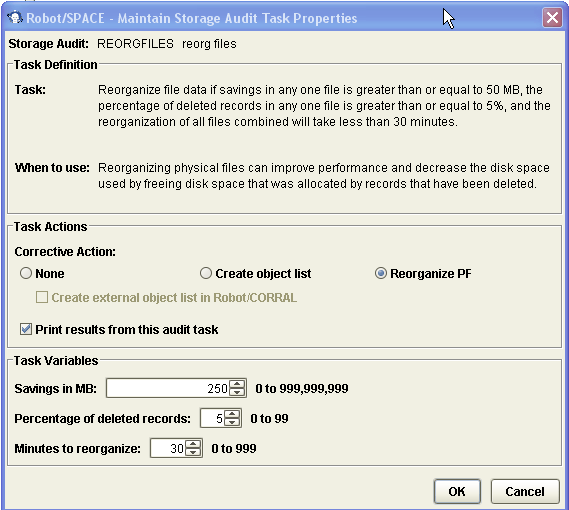
Figure 1: Storage Audit predicts how long the task will take. (Click images to enlarge.)
Robot/SPACE also can generate a report (see Figure 2) that provides all the information you need about reorganization time, disk space saved, and percentage of deleted records. And you can schedule the report so that you have it on your desk daily or before an important change-management meeting.
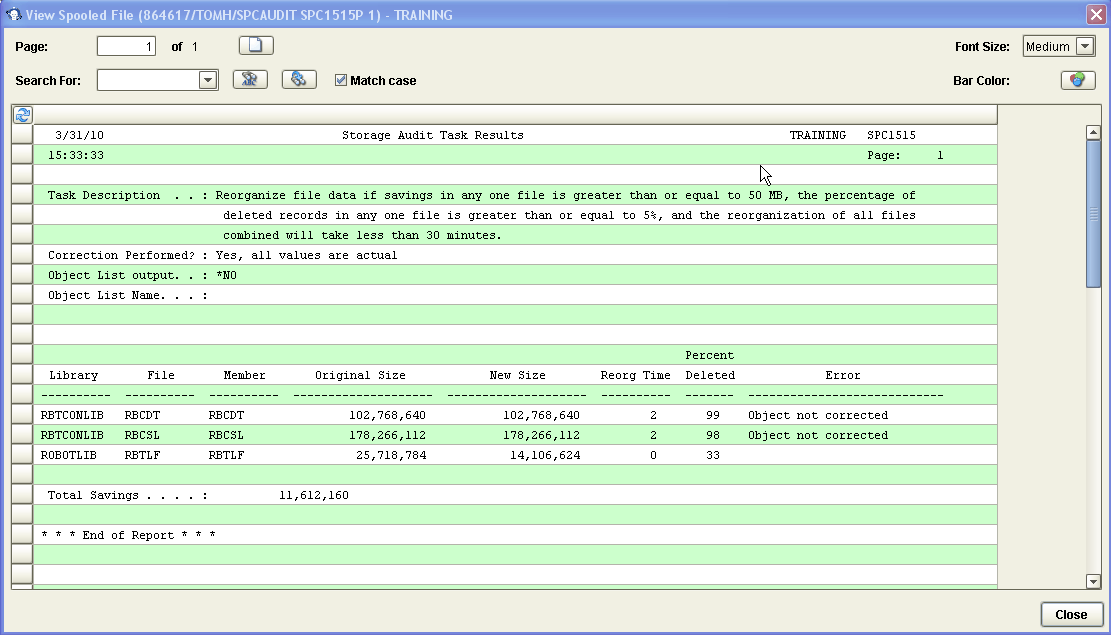
Figure 2: Schedule your physical file reorganization report to be available at your convenience.
In addition, the Robot/SPACE Collection Explorer can provide any important member-level information you need to build your reports (see Figure 3).
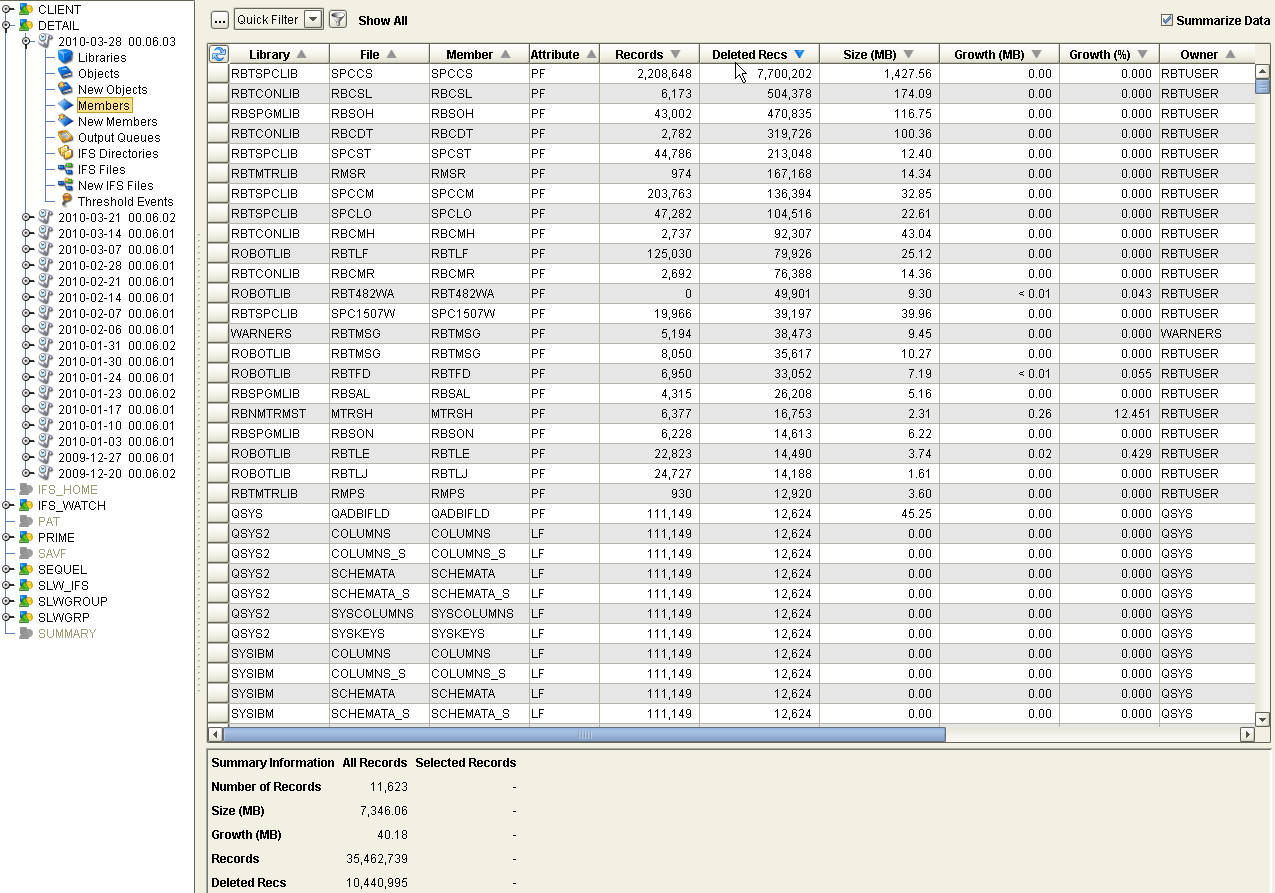
Figure 3: Collection Explorer provides member-level detail.

 Business users want new applications now. Market and regulatory pressures require faster application updates and delivery into production. Your IBM i developers may be approaching retirement, and you see no sure way to fill their positions with experienced developers. In addition, you may be caught between maintaining your existing applications and the uncertainty of moving to something new.
 IT managers hoping to find new IBM i talent are discovering that the pool of experienced RPG programmers and operators or administrators with intimate knowledge of the operating system and the applications that run on it is small. This begs the question: How will you manage the platform that supports such a big part of your business? This guide offers strategies and software suggestions to help you plan IT staffing and resources and smooth the transition after your AS/400 talent retires. Read on to learn:
LATEST COMMENTS
MC Press Online